Buy buttiens-fruits.eu ?
We are moving the project
buttiens-fruits.eu .
Are you interested in purchasing the domain
buttiens-fruits.eu ?
domain@kv-gmbh.de · 0541-91531010
Buy buttiens-fruits.eu ?
What does seasonal and local mean?
Seasonal and local refer to food that is grown and harvested at a specific time of year and sourced from nearby farms or producers. Seasonal produce is at its peak in terms of flavor and nutritional value during its natural growing season. Local food is typically fresher, supports the local economy, and has a lower carbon footprint due to reduced transportation. Overall, choosing seasonal and local foods can lead to a more sustainable and environmentally friendly way of eating. **
Could you imagine eating only seasonal fruits and vegetables?
Yes, I could imagine eating only seasonal fruits and vegetables. Eating seasonally can be a great way to support local farmers, reduce environmental impact, and enjoy the freshest produce available. It would require being more mindful of what is in season and planning meals accordingly, but it could also lead to a more diverse and varied diet as different fruits and vegetables come into season throughout the year. **


Similar search terms for Whetstone
Top-Angebote
Products related to Whetstone:
-
Samura Combination Whetstone 240 & 800The Samura Combination 240 & 800 Whetstone is suitable for the sharpening of blunt knives. The coarse 240 grit is ideal for reshaping the blade of a blunt knife and removing burrs that have occurred. The 800 grit can be used once the blunt knife is restored to shape for sharpening. The whetstone comes with a rubber holder in which the stone sits firmly during sharpening process. Submerged the whetstone in water for a few minutes before use.25,00 £*Shipping: 3,50 £Secure redirect to the provider
-
Uplift Treasures XINZUO Adjustable Acacia Wood Whetstone Holder Base XINZUO Adjustable Acacia Wood Whetstone Holder BaseProduct Description: Achieve precise and safe knife sharpening with the XINZUO adjustable whetstone holder. Crafted from premium acacia wood, this telescopic base securely holds sharpening stones in place, providing excellent stability while...192,97 $*Shipping: 0,00 $Secure redirect to the provider
-
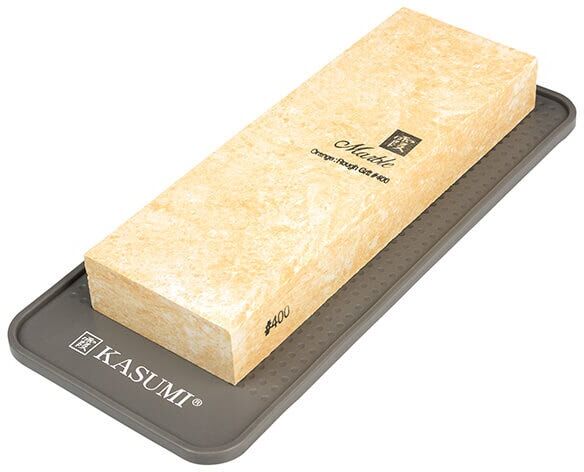
Kasumi Coarse Whetstone with Silicone MatThis Kasumi whetstone has a coarse 400 grit for repairing nicks and damaged blades. The whetstone is complete with a silicone mat that helps grip when in use. Complete with a whetstone holder. Dimensions: L18cm x W6.5cm x H2.5cm. Made in Seki, Japan.67,20 £*Shipping: 0,00 £Secure redirect to the provider
-
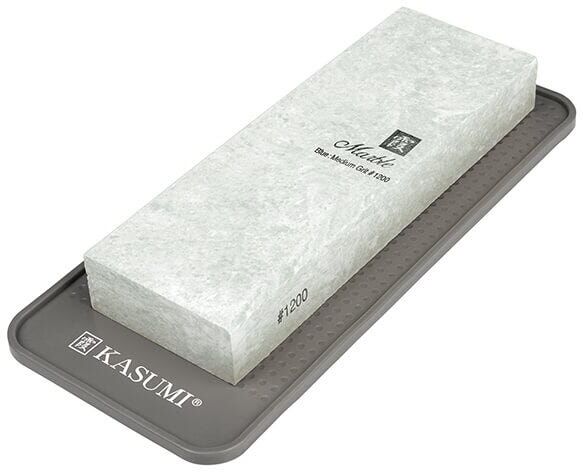
Kasumi Medium Whetstone with Silicone MatThis Kasumi whetstone has a medium 1200 grit for sharpening dull and blunted stainless steel blades. The whetstone is complete with a silicone mat that helps grip when in use. Complete with a whetstone holder. Dimensions: L18cm x W6.5cm x H2.5cm. Made in Seki, Japan.72,00 £*Shipping: 0,00 £Secure redirect to the provider


-
Is organic fruits and vegetables really healthier?
Organic fruits and vegetables are often considered healthier because they are grown without synthetic pesticides, herbicides, and fertilizers. This means they may have lower levels of pesticide residues, which can be beneficial for human health. Additionally, organic farming practices may promote soil health and biodiversity. However, the nutritional content of organic versus conventional produce is not significantly different, so the health benefits may be more related to reduced pesticide exposure rather than higher nutrient levels. Ultimately, choosing organic or conventional produce is a personal decision based on individual health priorities and environmental concerns. **
-
What is the difference between regular fruits and vegetables and organic fruits and vegetables?
Regular fruits and vegetables are conventionally grown using synthetic pesticides, fertilizers, and genetically modified organisms. On the other hand, organic fruits and vegetables are grown without the use of synthetic chemicals, pesticides, and fertilizers. Organic farming practices also focus on promoting soil health and biodiversity. Additionally, organic fruits and vegetables are not genetically modified. **
-
Why are ripe fruits sweet even though they contain many fruit acids?
Ripe fruits are sweet because as they ripen, the starches in the fruit are broken down into sugars, such as glucose and fructose. These sugars are responsible for the sweet taste of the fruit. Even though ripe fruits contain fruit acids, the sugars present in the fruit mask the sour taste of the acids, resulting in a sweet flavor. The balance of sugars and acids in ripe fruits contributes to their overall taste profile. **
-
What can we make from the ripe fruits of our quince trees?
Ripe quince fruits can be used to make a variety of delicious and versatile products. They can be used to make quince jam, jelly, or preserves, which can be enjoyed on toast, pastries, or as a topping for yogurt or ice cream. Quince can also be used to make quince paste, a sweet and dense spread that pairs well with cheese. Additionally, the fruits can be used to make quince syrup, which can be used in cocktails, desserts, or as a sweetener for beverages. **


How many ladybugs are contained in fresh organic bread?
There are no ladybugs contained in fresh organic bread. Ladybugs are not an ingredient in bread and are not intentionally added during the baking process. The presence of ladybugs in bread would be considered a food safety issue and would not meet the standards for fresh organic bread. **
Can one sell their organic vegetables to a local supermarket?
Yes, it is possible for someone to sell their organic vegetables to a local supermarket. Many supermarkets are interested in offering organic produce to their customers and may be open to purchasing from local farmers and growers. However, there may be specific requirements and regulations that need to be met in order to sell to a supermarket, such as obtaining the necessary certifications and meeting quality standards. It is important to research and reach out to the specific supermarket to understand their purchasing process and requirements. **
Top-Angebote
Products related to Whetstone:
-
Inspire Curations XINZUO Acacia Wood Adjustable Whetstone Holder XINZUO Acacia Wood Adjustable Whetstone HolderAchieve safer, more precise knife sharpening with this whetstone holder crafted from premium acacia wood. Designed to securely hold sharpening stones in place, this adjustable holder features a telescopic design that accommodates various whetstone...238,00 $*Shipping: 0,00 $Secure redirect to the provider
-
Uplift Essentials Acacia Wood Adjustable Whetstone Base Holder Acacia Wood Adjustable Whetstone Base HolderRestore razorsharp precision to your favorite culinary cutlery without the dangerous slips or shaky setups of traditional sharpening. Expertly built for passionate home chefs, culinary professionals, and cutlery collectors, this heavyduty sharpening...111,97 $*Shipping: 0,00 $Secure redirect to the provider
-
Samura Combination Whetstone 240 & 800The Samura Combination 240 & 800 Whetstone is suitable for the sharpening of blunt knives. The coarse 240 grit is ideal for reshaping the blade of a blunt knife and removing burrs that have occurred. The 800 grit can be used once the blunt knife is restored to shape for sharpening. The whetstone comes with a rubber holder in which the stone sits firmly during sharpening process. Submerged the whetstone in water for a few minutes before use.25,00 £*Shipping: 3,50 £Secure redirect to the provider
-
Uplift Treasures XINZUO Adjustable Acacia Wood Whetstone Holder Base XINZUO Adjustable Acacia Wood Whetstone Holder BaseProduct Description: Achieve precise and safe knife sharpening with the XINZUO adjustable whetstone holder. Crafted from premium acacia wood, this telescopic base securely holds sharpening stones in place, providing excellent stability while...192,97 $*Shipping: 0,00 $Secure redirect to the provider
-
What does seasonal and local mean?
Seasonal and local refer to food that is grown and harvested at a specific time of year and sourced from nearby farms or producers. Seasonal produce is at its peak in terms of flavor and nutritional value during its natural growing season. Local food is typically fresher, supports the local economy, and has a lower carbon footprint due to reduced transportation. Overall, choosing seasonal and local foods can lead to a more sustainable and environmentally friendly way of eating. **
-
Could you imagine eating only seasonal fruits and vegetables?
Yes, I could imagine eating only seasonal fruits and vegetables. Eating seasonally can be a great way to support local farmers, reduce environmental impact, and enjoy the freshest produce available. It would require being more mindful of what is in season and planning meals accordingly, but it could also lead to a more diverse and varied diet as different fruits and vegetables come into season throughout the year. **
-
Is organic fruits and vegetables really healthier?
Organic fruits and vegetables are often considered healthier because they are grown without synthetic pesticides, herbicides, and fertilizers. This means they may have lower levels of pesticide residues, which can be beneficial for human health. Additionally, organic farming practices may promote soil health and biodiversity. However, the nutritional content of organic versus conventional produce is not significantly different, so the health benefits may be more related to reduced pesticide exposure rather than higher nutrient levels. Ultimately, choosing organic or conventional produce is a personal decision based on individual health priorities and environmental concerns. **
-
What is the difference between regular fruits and vegetables and organic fruits and vegetables?
Regular fruits and vegetables are conventionally grown using synthetic pesticides, fertilizers, and genetically modified organisms. On the other hand, organic fruits and vegetables are grown without the use of synthetic chemicals, pesticides, and fertilizers. Organic farming practices also focus on promoting soil health and biodiversity. Additionally, organic fruits and vegetables are not genetically modified. **
Similar search terms for Whetstone
-
Kasumi Coarse Whetstone with Silicone MatThis Kasumi whetstone has a coarse 400 grit for repairing nicks and damaged blades. The whetstone is complete with a silicone mat that helps grip when in use. Complete with a whetstone holder. Dimensions: L18cm x W6.5cm x H2.5cm. Made in Seki, Japan.67,20 £*Shipping: 0,00 £Secure redirect to the provider
-
Kasumi Medium Whetstone with Silicone MatThis Kasumi whetstone has a medium 1200 grit for sharpening dull and blunted stainless steel blades. The whetstone is complete with a silicone mat that helps grip when in use. Complete with a whetstone holder. Dimensions: L18cm x W6.5cm x H2.5cm. Made in Seki, Japan.72,00 £*Shipping: 0,00 £Secure redirect to the provider
-
Kasumi Fine Whetstone with Silicone MatThis Kasumi whetstone has a fine 2000 grit for sharpening and polishing stainless steel blades. The whetstone is complete with a silicone mat that helps grip when in use. Complete with a whetstone holder. Dimensions: L18cm x W6.5cm x H2.5cm. Made in Seki, Japan.76,80 £*Shipping: 0,00 £Secure redirect to the provider
-
Rio Rockingham Forge Fine Ceramic WhetstoneThis Rockingham Forge high quality fine ceramic whetstone has a 3000 grit and is suitable for sharpening stainless steel knives. This ceramic whetstone is long lasting and cleaner than traditional whetstones. Perfect for honing your knife edge and requires a lot less oil or water for lubrication whilst sharpening. The whetstone includes a non-slip removable silicone base to ensure safe and even sharpening.18,75 £*Shipping: 3,50 £Secure redirect to the provider
-
Why are ripe fruits sweet even though they contain many fruit acids?
Ripe fruits are sweet because as they ripen, the starches in the fruit are broken down into sugars, such as glucose and fructose. These sugars are responsible for the sweet taste of the fruit. Even though ripe fruits contain fruit acids, the sugars present in the fruit mask the sour taste of the acids, resulting in a sweet flavor. The balance of sugars and acids in ripe fruits contributes to their overall taste profile. **
-
What can we make from the ripe fruits of our quince trees?
Ripe quince fruits can be used to make a variety of delicious and versatile products. They can be used to make quince jam, jelly, or preserves, which can be enjoyed on toast, pastries, or as a topping for yogurt or ice cream. Quince can also be used to make quince paste, a sweet and dense spread that pairs well with cheese. Additionally, the fruits can be used to make quince syrup, which can be used in cocktails, desserts, or as a sweetener for beverages. **
-
How many ladybugs are contained in fresh organic bread?
There are no ladybugs contained in fresh organic bread. Ladybugs are not an ingredient in bread and are not intentionally added during the baking process. The presence of ladybugs in bread would be considered a food safety issue and would not meet the standards for fresh organic bread. **
-
Can one sell their organic vegetables to a local supermarket?
Yes, it is possible for someone to sell their organic vegetables to a local supermarket. Many supermarkets are interested in offering organic produce to their customers and may be open to purchasing from local farmers and growers. However, there may be specific requirements and regulations that need to be met in order to sell to a supermarket, such as obtaining the necessary certifications and meeting quality standards. It is important to research and reach out to the specific supermarket to understand their purchasing process and requirements. **
* All prices are inclusive of VAT and, if applicable, plus shipping costs. The offer information is based on the details provided by the respective shop and is updated through automated processes. Real-time updates do not occur, so deviations can occur in individual cases. ** Note: Parts of this content were created by AI.